Keeping the RV Running: The Maintenance We Never Skip
Nothing turns a good trip sour faster than a breakdown a hundred miles from the nearest town. We have had a couple, and I can tell you the repair bill is only half the misery. The other half is sitting on the shoulder, waiting, wondering.
The good news is that most of the trouble we have seen was avoidable. An RV is a house and a vehicle rolled into one, which means twice the things that can go wrong, but also a short list of chores that head off most of them.
Here is what Debbie and I never skip.
The cheapest repair is the one you never have to make. A little attention beats a big tow bill every time.
Tires come first, always
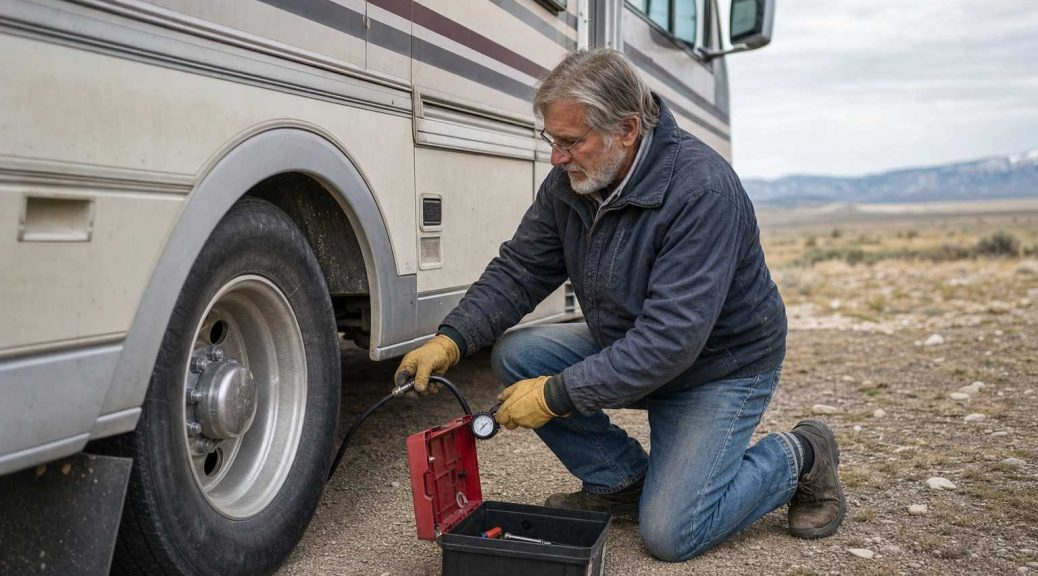
If I could only check one thing, it would be the tires. A blowout on a heavy motorhome is dangerous, not just inconvenient.
Two things matter most, and neither costs much.
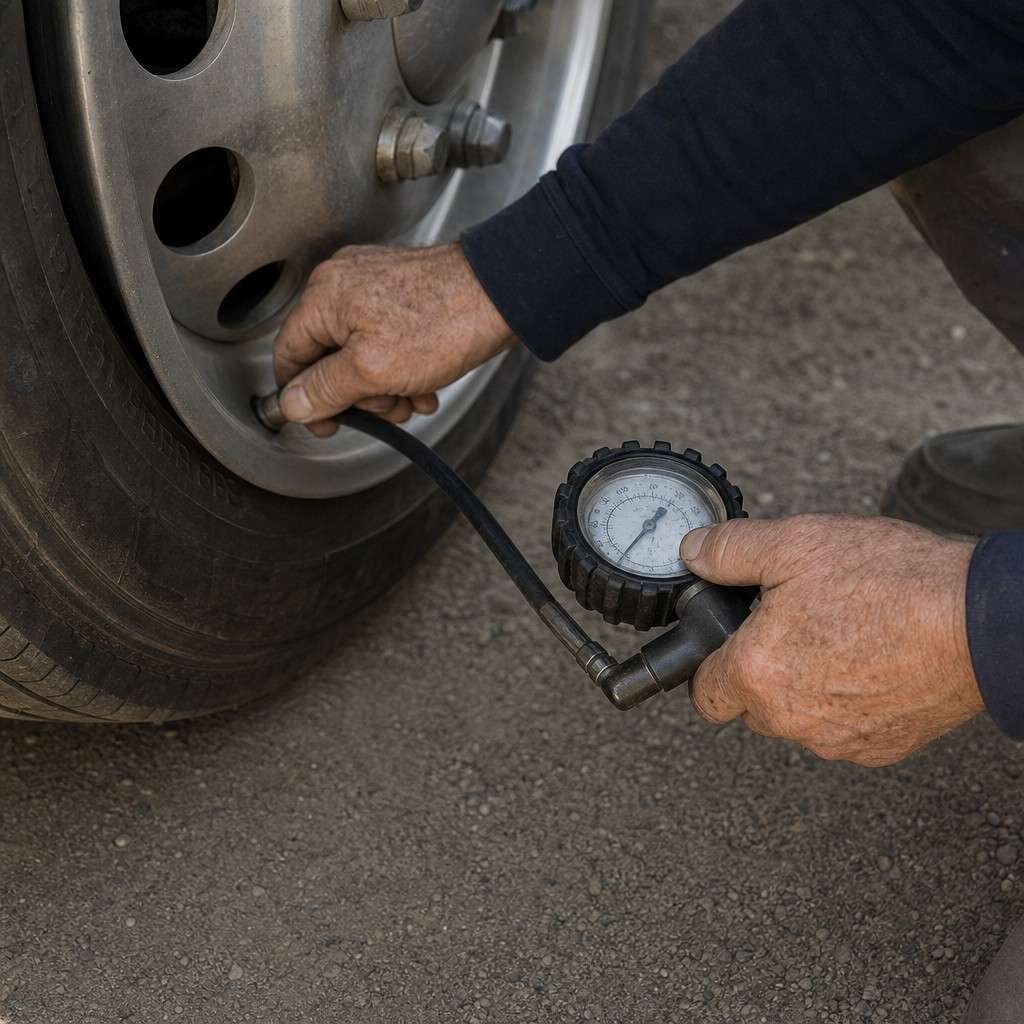
Pressure. RV tires lose air sitting still, and the right pressure changes with how loaded you are. We check ours cold, before we drive, every travel day. A good RV tire pressure gauge lives in our glovebox and has paid for itself a hundred times over.
Age. This one surprises people. RV tires usually age out before they wear out, because the rig sits so much. The rubber gets old and brittle even with good tread, so we watch the date on the sidewall and replace on time, not just on looks.
The roof is the second thing
Water is the quiet killer of RVs. It sneaks in at the seams, and by the time you see a stain inside, the damage is done and expensive.
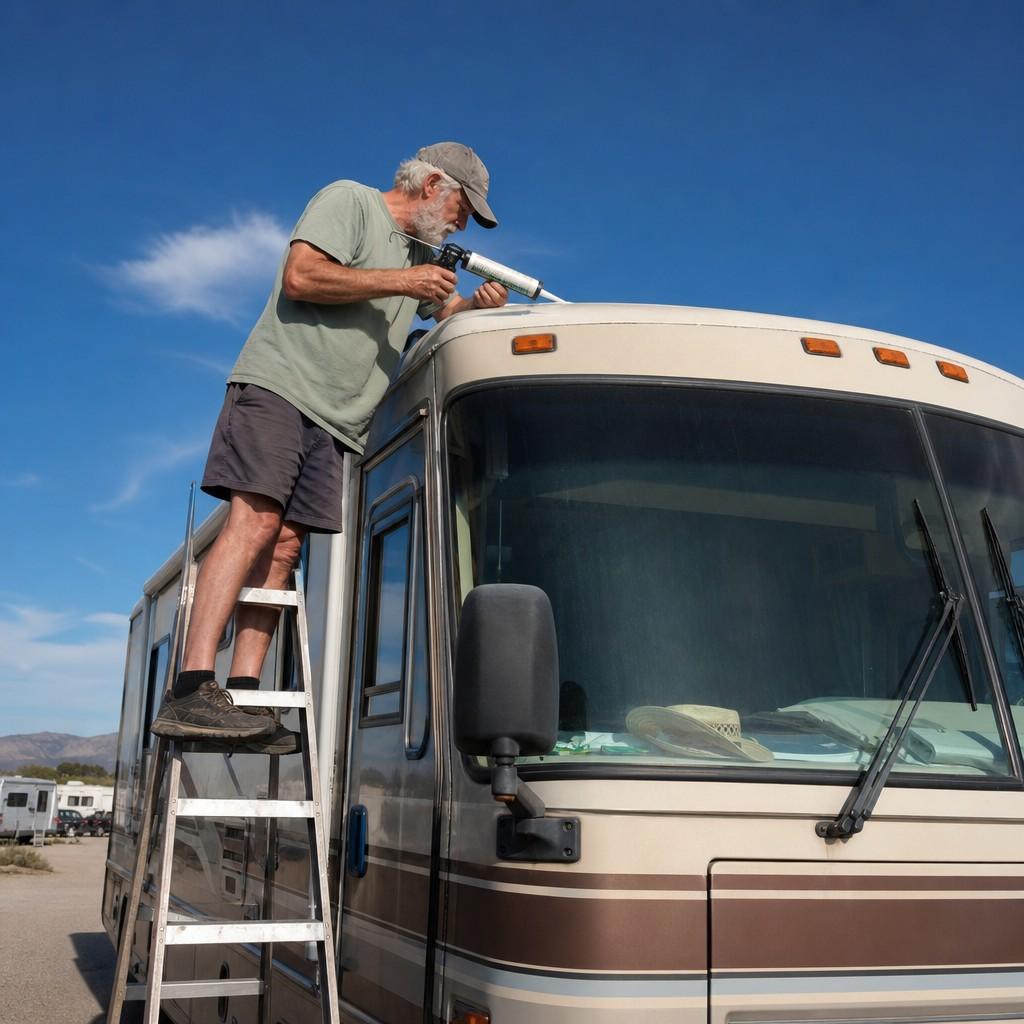
So a few times a year we get up on a ladder and walk the roof, looking at every seam and vent. Where the old sealant is cracking, we lay down fresh RV roof sealant before it can let water in.
It is not glamorous work, and my knees complain about the ladder, but it is a hour that saves you thousands. The cost side of these repairs is a big part of why we wrote up what RV living really costs.
The things under the rig
You do not have to be a mechanic to keep an eye on the basics. We are not, and we manage.
- Fluids. Oil, coolant, and the rest, checked on a schedule, not when a light comes on.
- Wheel bearings. On a trailer or motorhome these need grease, and a seized bearing on the highway is a bad day.
- Brakes. A heavy rig is hard on brakes. We have ours looked at regularly, because this is one place we will gladly pay a professional.
- Belts and hoses. A quick look for cracks and soft spots before a long haul.
Keep a kit and keep notes
Two simple habits have saved us more than any single repair.
The first is a basic kit. We carry the basic tools and gear to handle small fixes ourselves, so a loose bolt or a blown fuse does not strand us.
The second is a notebook. Debbie writes down what we did and when, oil changes, tire dates, the lot. It sounds fussy, but when you are wondering whether something is due, the answer is right there instead of in your imagination.
Know your limits
I want to be honest about one thing. Knowing what to do yourself and what to hand to a professional is its own kind of skill, and it is worth learning early.
We do the simple, regular stuff ourselves. For brakes, big engine work, and anything that affects whether we stop safely, we pay someone who knows more than we do. There is no shame in it, and it is a lot cheaper than the alternative.
Take care of the rig, and the rig takes care of you. That has been our experience, and it is the main reason our old Winnebago is still rolling down the road with us in it.
We sometimes link to gear we use or would buy ourselves. If you purchase through one, we may earn a small commission at no extra cost to you. See our affiliate disclosure.